Riyadh’s food economy now moves at app speed. Groceries arrive in under an hour, cloud kitchens fire orders for a dozen virtual brands at once, and a delayed refrigerated truck can knock out a whole evening of sales. Behind all of it sits an unglamorous dependency: chilled storage in Riyadh, the network of cold rooms that keeps dairy, produce, beverages, and prepared meals within their safe temperature bands until a courier grabs the bag. In 2026, that network is the difference between a five-star delivery rating and a refund queue.
Unlike Jeddah or Dammam, the capital has no port next door. Nearly everything perishable is trucked in across hundreds of kilometres of desert highway, which raises the stakes for what happens once the goods arrive. This piece breaks down how food businesses in the capital should think about cold capacity, dry goods, and the new dark-store economics reshaping the city.
Riyadh’s Delivery Boom Runs on Refrigeration
The capital’s appetite keeps expanding. Population figures published by the General Authority for Statistics show Riyadh region among the largest and fastest-growing urban concentrations in the Kingdom, and every new resident is another daily customer for groceries, restaurants, and quick-commerce apps.
Serving that demand from undersized back rooms no longer works. Quick-commerce platforms promise delivery windows measured in minutes, and those promises only hold if replenishment stock sits cold, close, and counted. The operators winning market share in 2026 share a common trait: they moved their buffer inventory into professional cold facilities and kept only hours of stock at the point of sale.
What Should You Look For in Chilled Storage in Riyadh?
Not all cold rooms earn their keep. When touring Chilled Storage in Riyadh, judge the facility on the factors that actually protect your product and your schedule.
Setpoint stability through summer
Capital summers push past 45°C for weeks. Ask for last July’s temperature logs, not January’s. A room that held 2°C through the hottest month has proven itself; anything else is a promise.
Dispatch speed at your hours
Food delivery peaks at night. A warehouse that closes its docks at 5 p.m. cannot serve a business whose rush starts at 8 p.m. Confirm cutoff times, weekend operations, and how fast an urgent pallet can be staged.
Traceability per batch
You want lot-level records showing when each batch arrived, where it sat, and when it left. That single capability turns a product recall from a catastrophe into an afternoon of paperwork.
Pairing Cold Rooms With Dry Goods Under One Contract
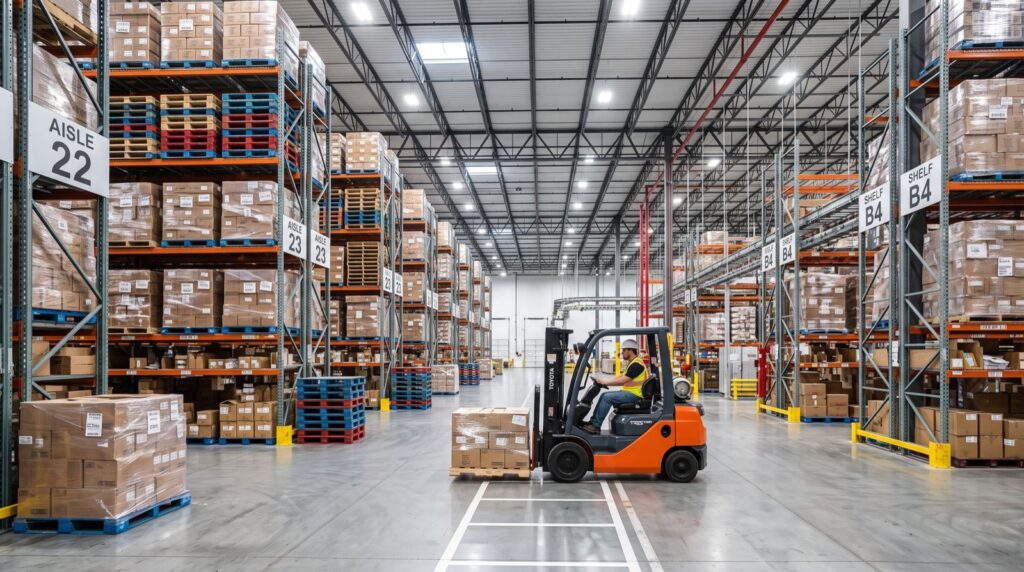
Chilled product never travels alone. Every kitchen and grocery operation also burns through packaging, canned inputs, beverages, rice, and cleaning supplies, and splitting those across a second vendor doubles your admin and your delivery windows. Consolidated Dry Storage alongside your cold positions means one inbound schedule, one stock report, and one truck arriving with both the frozen chicken and the boxes it will eventually leave in.
The benefits of consolidation stack up quickly:
- Single replenishment runs that combine chilled and ambient lines on one vehicle
- One inventory dashboard instead of reconciling two vendors’ spreadsheets
- Volume pricing across your total pallet count rather than two smaller contracts
- Fewer handoffs, which means fewer chances for temperature or count errors
Vetting still matters. Compare at least three quotes, and lean on reputable service experts when weighing facility claims against what your operation genuinely needs.
Dark Stores, Cloud Kitchens, and the New Inventory Math
Riyadh’s food businesses increasingly run on hub-and-spoke inventory. A central warehouse holds days of stock in proper conditions, while small urban nodes hold hours of stock close to customers. The table compares how the three dominant models in the capital use warehousing in 2026.
| Model | On-site holding | Warehouse role | Replenishment rhythm |
|---|---|---|---|
| Traditional restaurant | 2 to 4 days of ingredients | Bulk buffer, seasonal reserves | Two or three runs weekly |
| Cloud kitchen | 1 to 2 days across brands | Primary pantry for all virtual menus | Daily or alternate-day runs |
| Quick-commerce dark store | Hours of fast movers | Full catalogue master stock | Multiple runs per day |
Notice the pattern: the faster the customer promise, the smaller the front-line stock and the heavier the reliance on the warehouse behind it. Cold capacity has quietly become the growth ceiling for delivery-first food businesses. Founders planning a second dark store or a third kitchen brand should price warehouse expansion into the plan from day one, because retrofitting cold capacity after launch always costs more than reserving it early.
Six Steps to Right-Size Your Cold Capacity
Overbooking cold space wastes money; underbooking wastes product. Work through this sequence before signing:
- Pull ninety days of sales and convert them into pallets per temperature band.
- Add your realistic peak multiplier for Ramadan and major event weeks.
- Decide your on-site buffer in hours or days, then let the warehouse hold the rest.
- Negotiate a base commitment with surge rights instead of paying for peak year-round.
- Schedule replenishment around your order curve, not the warehouse’s convenience.
- Review utilisation monthly and adjust the commitment each quarter.
Frequently Asked Questions
How close to central Riyadh should my cold warehouse be?
For quick-commerce replenishment, an hour or less to your nodes is the practical ceiling. Restaurants with scheduled deliveries can accept longer distances in exchange for better rates.
Is shared cold space safe for my brand’s products?
Well-run multi-client rooms segregate customers by rack zones with lot-level tracking, so shared space is standard practice even for large brands. Verify the segregation approach during your tour.
What temperature band do beverages and desserts need?
Most beverages, dairy desserts, and cream-based items belong in the 0°C to 5°C chilled band. Ice cream and frozen desserts require -18°C, so confirm the facility offers both before committing.
Can I start small and expand within the same facility?
Yes. Pallet-based contracts are designed for exactly this, letting a growing kitchen move from ten positions to a hundred without changing sites or restructuring paperwork.
The Bottom Line
Riyadh will keep ordering in, and the businesses feeding it will keep competing on freshness and speed. Building your operation on dependable chilled storage in Riyadh, with dry goods consolidated alongside, removes the bottleneck before it forms. Run the capacity numbers this month, tour a facility, and give your delivery ratings the cold chain they deserve.